A hamper is generally a welcome gift in my home, but Christmas ones less so - when you live alone, baskets full of Christmas pudding, family-sized tins of chocolate biscuits and the like seem like a wasted opportunity as well as useless (I hate Christmas pudding and it would take me half a year to get through a tin of biscuits).
Hampers like this, though? Now you're talking. This fabulous package came from Grey's Fine Foods, which imports a huge range of artisan Spanish produce, and is perfect for one person. I love Spanish food - I know my way reasonably round both standard and regional menus, sometimes cook Spanish dishes and am generally influenced by the cuisine. So a truckload of gourmet imported Spanish products is the sort of thing to put a smile on my face.
I tore into the charcuterie for a quick lunch. The Ibérico ham, produced from the renowned Iberian black pig, is a wonderfully dark red colour with a rich, nutty depth of flavour from their acorn and grassland diet. There was a good layer of creamy fat too, which for me is essential on an air-dried ham. The black pig salchiçon has a lighter flavour, with tones of fennel and something fruity that I couldn't quite place. I had these simply on a plate, with a handful of salted Spanish almonds (not in the hamper but lurking in my larder) and some of the roasted peppers straight from the jar. They had a decent, firm texture and a sweet intensity. The only thing missing was a glass of chilled fino sherry.
I had a quick nibble of the chocolate, which was made with olive oil and sea salt - I could taste both of these, which cut nicely through the sweetness of the chocolate. The turrón I'm saving for when I crave a proper sugar hit - sticky Spanish nougat is always a winner for me because I love the chewy, nutty mix of honey, toasted almonds and egg white. It's a generous pack too, which will last me months. Alarmingly, when I took it out of the box the oils had leached out into the plastic vacuum wrapper so it will need to be opened carefully.
Of the store-cupboard ingredients, I dipped a little bread in the olive oil with my lunch. It was fruity with a distinctly peppery kick, definitely one for drizzling and dipping rather than cooking with. I love the pretty ceramic bottle - I'll be looking to reuse it in my kitchen for something. I was also blown away by the cute packaging of the piquant pimentón, which had a fiery punch beneath its dark smokiness. I'll be using that in my paella.
I'm not a big fan of tinned tuna, as most in the UK are cheap and nasty and taste very unpleasant - my larder tends to have sardines and mackerel instead. This can of bonito tuna (in olive oil, which really marks it out as a cut above) will make a great fallback staple though for a quick tuna and bean salad. I love gazpacho, the chilled tomato and cucumber soup - so easy to make yet never as good as the real thing. This bottle is also a great store-cupboard standby although I'll probably wait until the weather's warmer to eat it.
All in all, this is excellent value. All the products are artisanal and their total worth is slightly more than the cost of the hamper. The only item I missed was a wedge of manchego cheese, which would have rounded it out perfectly. Almost everything was in amounts ideal for one person: the charcuterie packs are 100g, for example. The packaging was beautiful and even the wooden crate - once I'd turfed Nelson out of what he thought was his new bed - was quickly repurposed as a storage box for my home office.
Now the details... The Grey's Hamper costs £50 from Grey’s Fine Foods, one of a range starting from £35. Delivery is usually 3-7 days but they offer a one-day service too if you plan to order for Christmas (either for yourself - and why not? - or as a present).
Disclaimer: With thanks to Grey’s Fine Foods and Coffeepot Digital. I received the hamper free of charge, for review purposes. All views and opinions are my own and I was not paid nor obliged to write a positive review.
Showing posts with label chorizo. Show all posts
Thursday, 12 December 2013
Monday, 24 June 2013
Warm chorizo and rocket salad
This substantial salad is ready in the time it takes to boil the potatoes - about 10 minutes - and is perfect for a cooler summer evening when you don't want hot food but still want something more filling than simply a plate of salad leaves.
What you need:
6-7 smallish new or salad potatoes
1/3rd of a loop of cooking chorizo
A handful of cherry tomatoes, halved
A large handful of rocket
Juice of half a small lemon
A dessert spoon of walnut oil
A crushed clove of garlic
Black pepper
What to do:
Put the rocket and cherry tomatoes in a bowl or on a plate. Cut the potatoes in half or quarters, so they are bite-sized, and boil until tender but firm - about 10 minutes. Slice the chorizo into rounds and fry over a medium heat until it just crisps. Lift out with a slotted spoon and drain on kitchen paper. While everything's on the hob, make a dressing with the oil, lemon juice, garlic and black pepper. Toss everything together and eat.
Cook's tips:
Don't add all the lemon juice - start with half, taste and add more if needed. You don't want to overpower the flavour of the walnut oil.
If you're very hungry, add a few shavings of parmesan or a quartered hard-boiled egg.
Watercress is a great substitute for the rocket in this dish.
What you need:
6-7 smallish new or salad potatoes
1/3rd of a loop of cooking chorizo
A handful of cherry tomatoes, halved
A large handful of rocket
Juice of half a small lemon
A dessert spoon of walnut oil
A crushed clove of garlic
Black pepper
What to do:
Put the rocket and cherry tomatoes in a bowl or on a plate. Cut the potatoes in half or quarters, so they are bite-sized, and boil until tender but firm - about 10 minutes. Slice the chorizo into rounds and fry over a medium heat until it just crisps. Lift out with a slotted spoon and drain on kitchen paper. While everything's on the hob, make a dressing with the oil, lemon juice, garlic and black pepper. Toss everything together and eat.
Cook's tips:
Don't add all the lemon juice - start with half, taste and add more if needed. You don't want to overpower the flavour of the walnut oil.
If you're very hungry, add a few shavings of parmesan or a quartered hard-boiled egg.
Watercress is a great substitute for the rocket in this dish.
Monday, 26 November 2012
Caldo verde
I absolutely love making this Portuguese classic of cabbage, potatoes and spicy sausage - it's a really simple but very nourishing soup that is easy to make and ready in under 30 minutes. This makes 2 portions (it reheats well).
This soup should be quite dense and chunky from the chorizo, kale and potatoes but be held together by a clear broth so it's almost like a casserole.
What you need:
1 small onion, chopped
1 medium to large potato, diced into 1/2cm cubes
1 chorizo sausage, sliced
A very generous handful of curly kale, chopped
1/2 litre of stock
Olive oil
Salt, pepper
What to do:
Sauté the onion in the oil over a medium heat until it turns transparent. Add the chorizo and fry until the fat starts to run off. Pour in the stock and add the potato. Season. Turn up the heat, bring it to the boil and then simmer for 15 minutes. Check the potato is cooked. Add the kale and simmer for another 5 minutes. Dish up.
Cook's tips:
If you can't find kale, use spring greens or savoy cabbage and shred it finely.
If you've got one of those large rings of chorizo, about a third of it should be plenty. You can fry it off separately if it's very fatty and you don't want too much oil in the soup.
I've found that both floury and waxy potatoes work well and I don't bother to peel them unless the skin looks tired. Floury potatoes will start to break down once cooked. Don't overcook them as the liquor should remain clear.
Either vegetable or chicken stock is best. Do go easy on the salt when you season as some brands of stock can be very salty.
This soup should be quite dense and chunky from the chorizo, kale and potatoes but be held together by a clear broth so it's almost like a casserole.
What you need:
1 small onion, chopped
1 medium to large potato, diced into 1/2cm cubes
1 chorizo sausage, sliced
A very generous handful of curly kale, chopped
1/2 litre of stock
Olive oil
Salt, pepper
What to do:
Sauté the onion in the oil over a medium heat until it turns transparent. Add the chorizo and fry until the fat starts to run off. Pour in the stock and add the potato. Season. Turn up the heat, bring it to the boil and then simmer for 15 minutes. Check the potato is cooked. Add the kale and simmer for another 5 minutes. Dish up.
Cook's tips:
If you can't find kale, use spring greens or savoy cabbage and shred it finely.
If you've got one of those large rings of chorizo, about a third of it should be plenty. You can fry it off separately if it's very fatty and you don't want too much oil in the soup.
I've found that both floury and waxy potatoes work well and I don't bother to peel them unless the skin looks tired. Floury potatoes will start to break down once cooked. Don't overcook them as the liquor should remain clear.
Either vegetable or chicken stock is best. Do go easy on the salt when you season as some brands of stock can be very salty.
Thursday, 7 June 2012
Spring greens and black beans with chorizo
Although you can buy them pretty much all year round these days, spring greens are at their best in the spring. There's a good month still before they go "out of season".
This beauty cost me a mere 59p at my local market and will feed me for the best part of the week. First up was this recipe. As I still have some chorizo left over, I'll use that and more of the greens to make a quick bowl of caldo verde. The last will probably end up in a stir-fry.
This is very quick - if you're organised, you'll be eating it within 20 minutes.
What you need:
A few leaves of spring greens
1-2 small cooking chorizo sausages, sliced into rounds
1/2 can black beans
1 onion, chopped
1 clove garlic, crushed
1/2 tsp nigella
1/2 tsp mustard seeds
A little vegetable oil
What to do:
Heat the oil in a heavy sauteuse over a medium heat then toast the nigella and mustard seeds until they start to release their aromas. Add the chorizo, onions and garlic and fry for about 10 minutes until the onion is translucent.
Quarter the leaves lengthwise and chop. Add to the pan and stir through. Cook for 5 minutes. Add the black beans, stir through again, pop a lid on the pan and cook for another 5 minutes. Dish up.
Cook's tips:
Discard the toughest outer leaves of the greens, especially any that look as if the slugs have had a little nibble on them. Wash the rest thoroughly before use as they can harbour grit and mud.I usually cut the central ribs out of the bigger leaves and discard them as they are too tough to eat. The innermost leaves are the tenderest but all cook very quickly. Spring greens don't lend themselves well to longer cooking, like a savoy cabbage will - fast and dirty is the way to go.
Black beans can be difficult to find. They are a staple in Mexican cooking and usually used to make refried beans, although the tinned refried beans in the shops here usually contain pinto or kidney beans. Sainsbury's sell them in small cartons but the best place to track them down is in an Asian grocery, where they can usually be found alongside the tins of chickpeas.
Use the other half of the tin to make my Mexican-style chicken.
Nigella is also known as black onion seeds. Most supermarkets stock it in the herbs and spices section, otherwise look in the Asian grocery stores.
This beauty cost me a mere 59p at my local market and will feed me for the best part of the week. First up was this recipe. As I still have some chorizo left over, I'll use that and more of the greens to make a quick bowl of caldo verde. The last will probably end up in a stir-fry.
This is very quick - if you're organised, you'll be eating it within 20 minutes.
What you need:
A few leaves of spring greens
1-2 small cooking chorizo sausages, sliced into rounds
1/2 can black beans
1 onion, chopped
1 clove garlic, crushed
1/2 tsp nigella
1/2 tsp mustard seeds
A little vegetable oil
What to do:
Heat the oil in a heavy sauteuse over a medium heat then toast the nigella and mustard seeds until they start to release their aromas. Add the chorizo, onions and garlic and fry for about 10 minutes until the onion is translucent.
Quarter the leaves lengthwise and chop. Add to the pan and stir through. Cook for 5 minutes. Add the black beans, stir through again, pop a lid on the pan and cook for another 5 minutes. Dish up.
Cook's tips:
Discard the toughest outer leaves of the greens, especially any that look as if the slugs have had a little nibble on them. Wash the rest thoroughly before use as they can harbour grit and mud.I usually cut the central ribs out of the bigger leaves and discard them as they are too tough to eat. The innermost leaves are the tenderest but all cook very quickly. Spring greens don't lend themselves well to longer cooking, like a savoy cabbage will - fast and dirty is the way to go.
Black beans can be difficult to find. They are a staple in Mexican cooking and usually used to make refried beans, although the tinned refried beans in the shops here usually contain pinto or kidney beans. Sainsbury's sell them in small cartons but the best place to track them down is in an Asian grocery, where they can usually be found alongside the tins of chickpeas.
Use the other half of the tin to make my Mexican-style chicken.
Nigella is also known as black onion seeds. Most supermarkets stock it in the herbs and spices section, otherwise look in the Asian grocery stores.
Thursday, 5 April 2012
Chorizo meatballs with roasted tomatoes and wild rice
What's not to like about meatballs? They are so versatile - they go brilliantly with pasta and sauce, are delicious with mash and gravy and add meaty goodness to a soup. If you make your own you can use whatever you like in them - beef, lamb and pork, even chicken (delicious in Asian soups or noodle-based dishes). They are also very easy to make, but because of the quantities you need it's hard to make a tiny batch - better to just go with the flow and freeze the excess for another day.
This makes enough for 12 meatballs - 2 portions.
What you need:
250g minced pork
About 30g chorizo sausage, finely diced
Fresh breadcrumbs
5 cloves of garlic
1/4tsp each of smoked paprika, cumin, chilli powder (chipotle)
Tomato purée
A pinch of dried oregano
1 tsp each fresh chopped parsley, coriander
Pinch of salt
About 50g wild rice
Cherry tomatoes
What to do:
Put the pork mince in a mixing bowl and add the salt, chorizo, 1 clove of very finely crushed garlic, spices and herbs plus about a tablespoon of tomato purée. Mix everything well together then add enough fresh breadcrumbs to bind everything together. Shape into 12 small meatballs and chill in the fridge for at least half an hour.
Bring a pan of unsalted water to the boil and add the wild rice. Once the water returns to the boil, turn it down to a simmer and cook for about 45 minutes.
Put the tomatoes into an ovenproof dish with 4 unpeeled cloves of garlic. Drizzle well with olive and season with sea salt and a little freshly ground black pepper. Bake in the oven at 200C for 30 minutes.
To cook the meatballs, heat some oil in a heavy frying pan or sauteuse and fry gently for around 10-12 minutes, turning regularly so they brown all over. Alternatively you can put them on a baking tray or in a shallow roasting tin and bake them for about 25 minutes in the oven (180C), turning them once.
Put the meatballs and tomatoes on a bed of rice and drizzle over the juices from the dish you cooked the tomatoes in.
Cook's tips:
Add the breadcrumbs gradually - too much too soon and the mixture will be too dry and won't form meatballs properly. If this happens, add a little cold water to the mix.
To freeze the spare meatballs, put them on a plate or small tray first so they don't stick together. When they have frozen pop them into a freezer bag. Defrost overnight in the fridge.
The meatballs go well with rice and some seasonal veg. Alternatively, heat them through in some tomato sauce and serve on a bed of tagliatelle.
Wild rice isn't actually a rice but wild grass seeds. It needs a lot of cooking, like brown rice, and has a deep nutty taste. You should be able to find it in most supermarkets as well as specialist shops.
This makes enough for 12 meatballs - 2 portions.
What you need:
250g minced pork
About 30g chorizo sausage, finely diced
Fresh breadcrumbs
5 cloves of garlic
1/4tsp each of smoked paprika, cumin, chilli powder (chipotle)
Tomato purée
A pinch of dried oregano
1 tsp each fresh chopped parsley, coriander
Pinch of salt
About 50g wild rice
Cherry tomatoes
What to do:
Put the pork mince in a mixing bowl and add the salt, chorizo, 1 clove of very finely crushed garlic, spices and herbs plus about a tablespoon of tomato purée. Mix everything well together then add enough fresh breadcrumbs to bind everything together. Shape into 12 small meatballs and chill in the fridge for at least half an hour.
Bring a pan of unsalted water to the boil and add the wild rice. Once the water returns to the boil, turn it down to a simmer and cook for about 45 minutes.
Put the tomatoes into an ovenproof dish with 4 unpeeled cloves of garlic. Drizzle well with olive and season with sea salt and a little freshly ground black pepper. Bake in the oven at 200C for 30 minutes.
To cook the meatballs, heat some oil in a heavy frying pan or sauteuse and fry gently for around 10-12 minutes, turning regularly so they brown all over. Alternatively you can put them on a baking tray or in a shallow roasting tin and bake them for about 25 minutes in the oven (180C), turning them once.
Put the meatballs and tomatoes on a bed of rice and drizzle over the juices from the dish you cooked the tomatoes in.
Cook's tips:
Add the breadcrumbs gradually - too much too soon and the mixture will be too dry and won't form meatballs properly. If this happens, add a little cold water to the mix.
To freeze the spare meatballs, put them on a plate or small tray first so they don't stick together. When they have frozen pop them into a freezer bag. Defrost overnight in the fridge.
The meatballs go well with rice and some seasonal veg. Alternatively, heat them through in some tomato sauce and serve on a bed of tagliatelle.
Wild rice isn't actually a rice but wild grass seeds. It needs a lot of cooking, like brown rice, and has a deep nutty taste. You should be able to find it in most supermarkets as well as specialist shops.
Friday, 3 February 2012
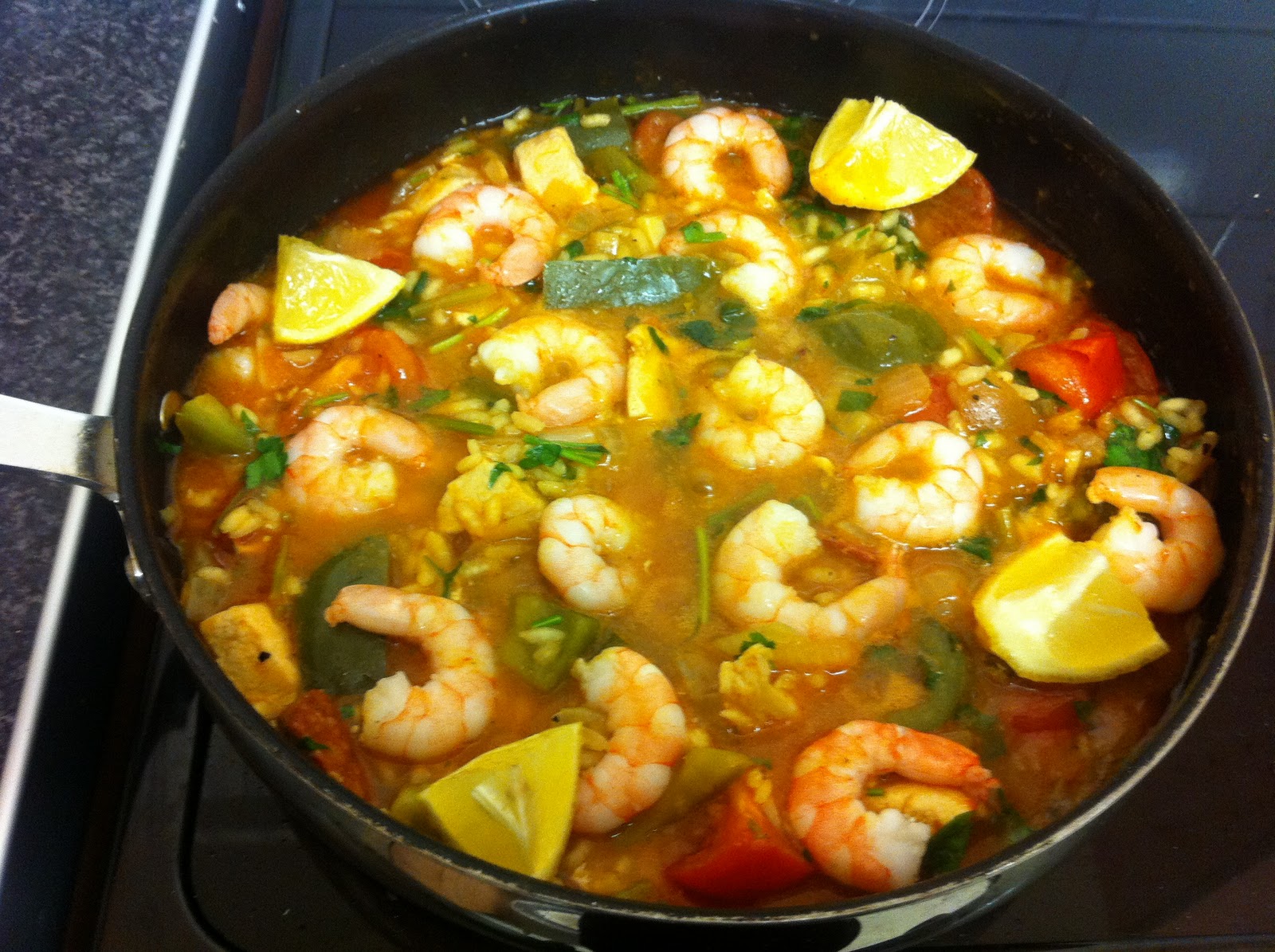
Paella for one
Paella can seem a pretty daunting prospect for one - those fancy paella pans all look big enough to feed an army and the quantities of ingredients tend to be huge. I don't think I've ever seen a recipe for this Spanish standard for fewer than eight people.
I was once lucky enough to be invited to Sunday lunch by a family in Valencia, the city that is the home of paella, and that was exactly what they dished up. Paella is the sort of food that often gets cooked in front of others - indeed, it practically demands show-off cheffery. Isabella was kind enough to let me help her with some of the preparation, which was fun, as she cooked up a storm in front her guests and I picked up some useful tips.
A true paella valenciana has rabbit as the star meat ingredient, plus snails. More commonly, there will be chicken and various types of seafood, and maybe some chorizo because traditionally paella is about using what you have to hand.
This recipe actually makes two portions, so you can feed a friend or reheat the leftovers next day. Don't be daunted by the long list of ingredients - this is actually very easy. It helps to do all your chopping before you get the pan on.
What you need:
Olive oil
1 small onion, roughly chopped
A clove of garlic, crushed
A small handful of flatleaf parsley
About 6cm of cooking chorizo, sliced into little rounds
A small handful of leftover chicken, shredded
Paella rice, about a third of a coffee mug
1/2 litre of chicken stock
1 small green pepper, deseeded and sliced
2 small tomatoes, cut into quarters
Saffron
A tiny pinch of smoked paprika
2-3 tsp tomato purée
A handful of cooked jumbo prawns
Lemon wedges
Seasoning
What to do:
Heat the oil in a heavy sauteuse over a medium heat. Sauté the onion and garlic. Separate the parsley leaves from the stalks and set the leaves aside. Chop the stems finely and add to the onion, along with the chorizo (and the fresh chicken, if you're using it). Tip the rice in and stir through so it is thoroughly coated in the oil then let it fry gently for a minute or two.
Pour in the stock and stir everything. Add the pepper and tomatoes, a generous pinch of saffron, the tomato purée and a little freshly ground black pepper. Bring to the boil, then turn the heat down to low so the liquid is only just bubbling. Now leave it for 20 minutes, only very occasionally stirring it so the rice doesn't stick to the bottom of the pan.
Chop the parsley leaves finely. Five minutes before the end, stir through half the parsley and the leftover chicken, then tuck the prawns into the top of the paella to heat through. It's ready when the rice is soft and all the stock has been absorbed. Serve it with the rest of the parsley sprinkled on the top and a lemon wedge or two on the side.
Cook's tips:
At a pinch, you can make this almost entirely from store cupboard ingredients, especially if you have a freezer. I keep bags of prawns in my freezer, as well as a bag of mixed seafood - the sort that contains squid, mussels and prawns, all of which can be used in a paella. If you don't have fresh tomatoes, half a tin of chopped tomatoes will do the job - just omit the purée. No peppers? Use sliced frozen ones if you have them, or a couple of peppers from a jar, torn into strips.
Other things you can toss into a paella include other shellfish or seafoods such as baby octopus, pork belly, leftover turkey or game and sliced green beans or broad beans.
If you don't have any leftover chicken use half an uncooked chicken breast.
Risotto rice is an excellent substitute for paella rice.
I was once lucky enough to be invited to Sunday lunch by a family in Valencia, the city that is the home of paella, and that was exactly what they dished up. Paella is the sort of food that often gets cooked in front of others - indeed, it practically demands show-off cheffery. Isabella was kind enough to let me help her with some of the preparation, which was fun, as she cooked up a storm in front her guests and I picked up some useful tips.
A true paella valenciana has rabbit as the star meat ingredient, plus snails. More commonly, there will be chicken and various types of seafood, and maybe some chorizo because traditionally paella is about using what you have to hand.
This recipe actually makes two portions, so you can feed a friend or reheat the leftovers next day. Don't be daunted by the long list of ingredients - this is actually very easy. It helps to do all your chopping before you get the pan on.
What you need:
Olive oil
1 small onion, roughly chopped
A clove of garlic, crushed
A small handful of flatleaf parsley
About 6cm of cooking chorizo, sliced into little rounds
A small handful of leftover chicken, shredded
Paella rice, about a third of a coffee mug
1/2 litre of chicken stock
1 small green pepper, deseeded and sliced
2 small tomatoes, cut into quarters
Saffron
A tiny pinch of smoked paprika
2-3 tsp tomato purée
A handful of cooked jumbo prawns
Lemon wedges
Seasoning
What to do:
Heat the oil in a heavy sauteuse over a medium heat. Sauté the onion and garlic. Separate the parsley leaves from the stalks and set the leaves aside. Chop the stems finely and add to the onion, along with the chorizo (and the fresh chicken, if you're using it). Tip the rice in and stir through so it is thoroughly coated in the oil then let it fry gently for a minute or two.
Pour in the stock and stir everything. Add the pepper and tomatoes, a generous pinch of saffron, the tomato purée and a little freshly ground black pepper. Bring to the boil, then turn the heat down to low so the liquid is only just bubbling. Now leave it for 20 minutes, only very occasionally stirring it so the rice doesn't stick to the bottom of the pan.
Chop the parsley leaves finely. Five minutes before the end, stir through half the parsley and the leftover chicken, then tuck the prawns into the top of the paella to heat through. It's ready when the rice is soft and all the stock has been absorbed. Serve it with the rest of the parsley sprinkled on the top and a lemon wedge or two on the side.
Cook's tips:
At a pinch, you can make this almost entirely from store cupboard ingredients, especially if you have a freezer. I keep bags of prawns in my freezer, as well as a bag of mixed seafood - the sort that contains squid, mussels and prawns, all of which can be used in a paella. If you don't have fresh tomatoes, half a tin of chopped tomatoes will do the job - just omit the purée. No peppers? Use sliced frozen ones if you have them, or a couple of peppers from a jar, torn into strips.
Other things you can toss into a paella include other shellfish or seafoods such as baby octopus, pork belly, leftover turkey or game and sliced green beans or broad beans.
If you don't have any leftover chicken use half an uncooked chicken breast.
Risotto rice is an excellent substitute for paella rice.
Tuesday, 3 January 2012
Turlu
New year, new start and all that - I'm still craving simple dishes after overdosing on carbs at Christmas. And indeed, having signed up to do a 10km race for charity in the spring, now is the time for me to form some sensible eating habits while I teach myself to, you know, run. Further than a bus stop. But, I have no intention of starving myself on lettuce leaves for the next 4 months - I aim to eat as well as usual while subtly tweaking the things I like to eat to cut my fat intake and reduce the carbs, while upping my protein. So panic ye not, I've no intention of turning into a diet bore.
Last night I cooked myself a plate of turlu, a dish I last rustled up some 10 years ago. It's basically a very simple bean stew, originating from Turkey but found around the Balkans too. It's usually made with white haricot beans but I prefer to make it with butter beans, which I think are very underrated. Mixing up my European dishes, I grilled some Spanish chorizo to accompany it.
What you need:
I small (half-size) tin of butter beans
1 onion, quartered and finely sliced
1-2 cloves of garlic, crushed
Olive oil
Sea salt and black pepper
Chorizo
What to do:
Put a very generous tablespoon of olive oil into a sauteuse and heat on a moderate to hot heat. Add the onions then turn the heat right down to low and let them stew very gently until they are translucent. Add the garlic and continue to stew until the onions are almost breaking up. Meanwhile rinse the beans well to get all the gunk from the tin off them. Add them to the pan, stir them through and add a small mug of water. Turn the heat back up to bring the pan to a simmer then turn it back to low, put a lid on and cook for 20 minutes or so. Halfway through, gently mash up the beans a bit with the back of a wooden spoon. Season to taste.
Cut off a piece of chorizo about 12cm long from the loop and split it in half lengthwise. Heat an iron griddle until it's almost smoking and grill the chorizo for 10 minutes, turning once.
Serve and eat with a green salad.
Cook's tips:
I like a lot of garlic so I'll always put 2 fat cloves in, sometimes 3 - stewing it for so long on a very gentle heat does take a lot of the oomph out it and renders it sweet instead of punchy, but try it with 1 clove first then up it next time if you're brave.
Last night I cooked myself a plate of turlu, a dish I last rustled up some 10 years ago. It's basically a very simple bean stew, originating from Turkey but found around the Balkans too. It's usually made with white haricot beans but I prefer to make it with butter beans, which I think are very underrated. Mixing up my European dishes, I grilled some Spanish chorizo to accompany it.
What you need:
I small (half-size) tin of butter beans
1 onion, quartered and finely sliced
1-2 cloves of garlic, crushed
Olive oil
Sea salt and black pepper
Chorizo
What to do:
Put a very generous tablespoon of olive oil into a sauteuse and heat on a moderate to hot heat. Add the onions then turn the heat right down to low and let them stew very gently until they are translucent. Add the garlic and continue to stew until the onions are almost breaking up. Meanwhile rinse the beans well to get all the gunk from the tin off them. Add them to the pan, stir them through and add a small mug of water. Turn the heat back up to bring the pan to a simmer then turn it back to low, put a lid on and cook for 20 minutes or so. Halfway through, gently mash up the beans a bit with the back of a wooden spoon. Season to taste.
Cut off a piece of chorizo about 12cm long from the loop and split it in half lengthwise. Heat an iron griddle until it's almost smoking and grill the chorizo for 10 minutes, turning once.
Serve and eat with a green salad.
Cook's tips:
I like a lot of garlic so I'll always put 2 fat cloves in, sometimes 3 - stewing it for so long on a very gentle heat does take a lot of the oomph out it and renders it sweet instead of punchy, but try it with 1 clove first then up it next time if you're brave.
Subscribe to:
Posts (Atom)